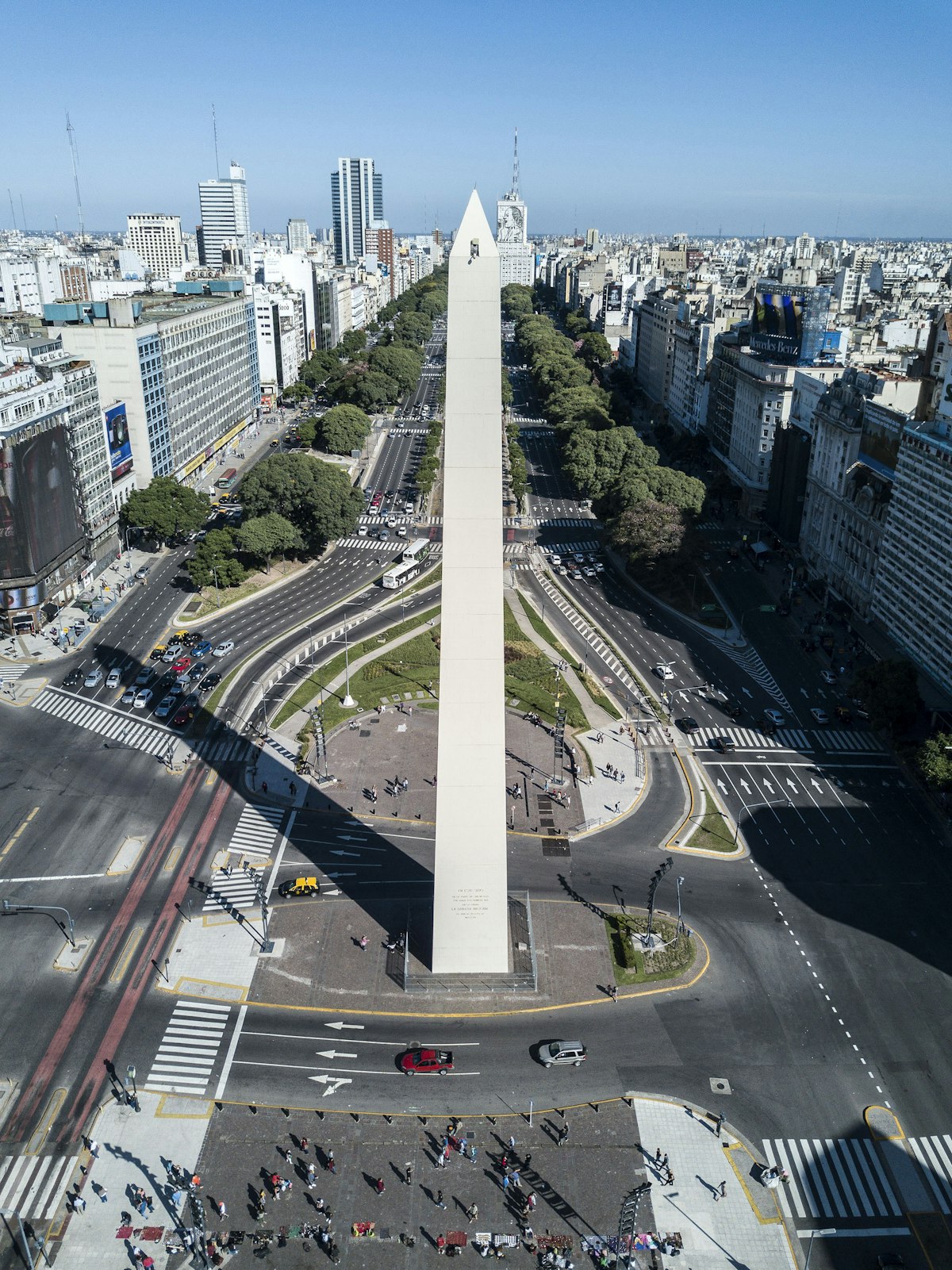
Buenos Aires has emerged as one of the most exciting destinations for digital nomads in South America. In 2026, the city offers a perfect blend of culture, affordability, and modern amenities.
Why Buenos Aires for Digital Nomads?
- Internet Speed: Good
- Cost of Living: about US$1,360-US$1,580/month for one person with a one-bedroom, before coworking and trip extras (November 2026 estimate).
- Community: Growing nomad scene with plenty of networking opportunities.
- Lifestyle: Unique blend of local culture and international comfort.
Coworking in Buenos Aires: A Verified Price Example
Huerta Coworking publishes the following workspace options. Huerta Coworking, with three Buenos Aires locations, publishes a four-days-a-month individual plan at ARS 135,000 per month plus IVA (about US$87 before tax), with 24/7 building access on booked days and meeting-room credits included, and 10% off the first three months at the time of writing. It does not publish a price for a full-time desk, so budget for more than this figure if you plan to work from a coworking space every day, and confirm current rates, the tax-inclusive total and availability directly before paying.[2]
Buenos Aires Cost of Living per Month: Rent and a Realistic Baseline
Budget checked November 16, 2026. For one adult renting a private one-bedroom, the reference calculation below is about US$1,360-US$1,580 per month, before coworking and trip-specific extras. The lower end uses the average rent outside the city centre; the upper end uses the central average. These are two housing scenarios, not guaranteed minimum and maximum costs.[1]
Monthly housing and living-cost baseline
| Component | Monthly reference cost (ARS) |
|---|---|
| One person's spending excluding rent, Numbeo estimate | Arg$1,319,602.60 |
| One-bedroom rent outside the city centre, average | Arg$778,551.86 |
| One-bedroom rent in the city centre, average | Arg$1,126,071.92 |
| Calculated baseline with outside-centre rent | Arg$2,098,154.46 |
| Calculated baseline with central rent | Arg$2,445,674.52 |
| Optional coworking, priced separately | ARS 135,000/month plus IVA for a published four-days-a-month plan |
Numbeo is a crowdsourced price aggregator, not a landlord or a quote for your trip. Its Buenos Aires page was last updated November 16, 2026 and reports 149 contributors over the preceding 12 months. The USD comparison uses the USD/local-currency conversion displayed alongside its one-person estimate and rounds the resulting totals to the nearest US$10. Exchange rates and actual spending will differ.[1]
Food, utilities, internet and transport prices
| Everyday expense | Price reference |
|---|---|
| Inexpensive restaurant meal | Arg$29,000.00 |
| 30 such meals, calculated | Arg$870,000 |
| Eggs, a dozen | Arg$3,976.31 |
| Milk, one litre | Arg$2,207.12 |
| Basic utilities for an 85 m² / 915 sq ft apartment | Arg$285,889.27/month |
| Home broadband, unlimited 60 Mbps or more | Arg$51,251.93/month |
| Mobile plan, calls and 10GB+ data | Arg$36,967.22/month |
| Local transport | Subte from Arg$1,887 with a registered SUBE; the price falls the more you ride |
Food, housing, utilities and connectivity figures above come from Numbeo's city averages; the coworking and transport references use the separate sources below.[1][2][3]
Buenos Aires buses and the Subte run on the SUBE card. With a registered SUBE, a bus costs Arg$852.90 to Arg$1,093.77 depending on distance, and a Subte journey costs Arg$1,887 for the first twenty rides in a month, falling to Arg$1,509.60 for rides 21-30, Arg$1,320.90 for rides 31-40 and Arg$1,132.20 beyond that. An unregistered SUBE pays a flat Arg$2,528.58 on the Subte, so register the card. A 44-ride month across the registered bands comes to Arg$70,573.80, calculated from the published fares. These fares were updated on August 1, 2026, and Argentine prices move often, so recheck them close to your trip.[3][4]
Where I would look for savings
The central one-bedroom average is Arg$347,520.06 above the outside-centre figure in this snapshot. Inflation moves Argentine prices quickly, so treat every figure here as a November 2026 snapshot and recheck close to your trip. Ask whether the advertised rent is fixed in pesos for the full stay and whether expenses and utilities are included, and compare the real Subte or bus ride to your workspace before paying a centre premium.
For a short stay, I would compare the full accommodation quote on Trip.com with this longer-term rent benchmark, rather than assume they are the same product. Check cleaning charges, taxes, deposits, cancellation terms and whether the place has a usable desk. A furnished short-term stay can price differently from a local residential rental.
The baseline is not an all-in relocation fund. Keep flights, rental deposits, visa or permit costs, insurance, taxes on your income, and an emergency buffer separate. I would price SafetyWing as one insurance option, then check eligibility, the selected policy's coverage and exclusions before buying. The budget above does not include a policy premium. For help comparing policies, read my SafetyWing vs World Nomads comparison.
Buenos Aires Cost of Living FAQs
Is US$1,500 a month enough for Buenos Aires?
It covers the outside-centre baseline of Arg$2,098,154.46, about US$1,360, with some room to spare. Huerta's published four-days-a-month plan adds ARS 135,000 plus IVA, taking the calculated total to Arg$2,233,154.46 before tax, about US$1,445. The central version is Arg$2,445,674.52, about US$1,580, before coworking, which does not fit US$1,500. Flights, insurance and deposits are not included, and Argentine prices move quickly, so recheck them near your dates.[1][2]
How much is the Buenos Aires Subte in 2026?
With a registered SUBE card, the first twenty Subte rides in a calendar month cost Arg$1,887 each, rides 21-30 cost Arg$1,509.60, rides 31-40 cost Arg$1,320.90 and further rides cost Arg$1,132.20. An unregistered card pays a flat Arg$2,528.58, so registering is worth it. Buses are separate: Arg$852.90 to Arg$1,093.77 by distance with a registered SUBE.[3][4]
Are these exact prices for a future trip?
No. They are dated planning references checked in November 2026, not a promise of future rent, desk availability or exchange rates. Confirm your accommodation and work setup for your actual dates before committing money.
If you are comparing possible remote-work bases, the guides to Mexico City and Medellin use the same housing-and-living calculation, so you can compare the assumptions as well as the headline costs.
Connectivity Before You Arrive
If you need mobile data on arrival, compare Saily with a local plan for your destination, phone and trip length. Check device compatibility, the data allowance and hotspot rules. A travel eSIM and the local monthly mobile-plan benchmark above are alternatives to compare, not two automatic charges to add to your budget. My travel eSIM comparison is a starting point for checking providers.
Final Thoughts
For Buenos Aires, I would start with the housing quote, then add the work setup I actually need. Use the local-currency benchmarks to compare options, keep a buffer for one-off costs, and recheck prices before booking.
Sources and Budget Notes
- Numbeo: Buenos Aires cost of living, rent and everyday price estimates. Checked November 16, 2026.
- Huerta Coworking: published coworking plans and prices. Checked November 16, 2026.
- Buenos Aires city government: current bus fares with a registered SUBE. Checked November 16, 2026.
- Ministry of Transport: RED SUBE subte fares and monthly usage discounts. Checked November 16, 2026.