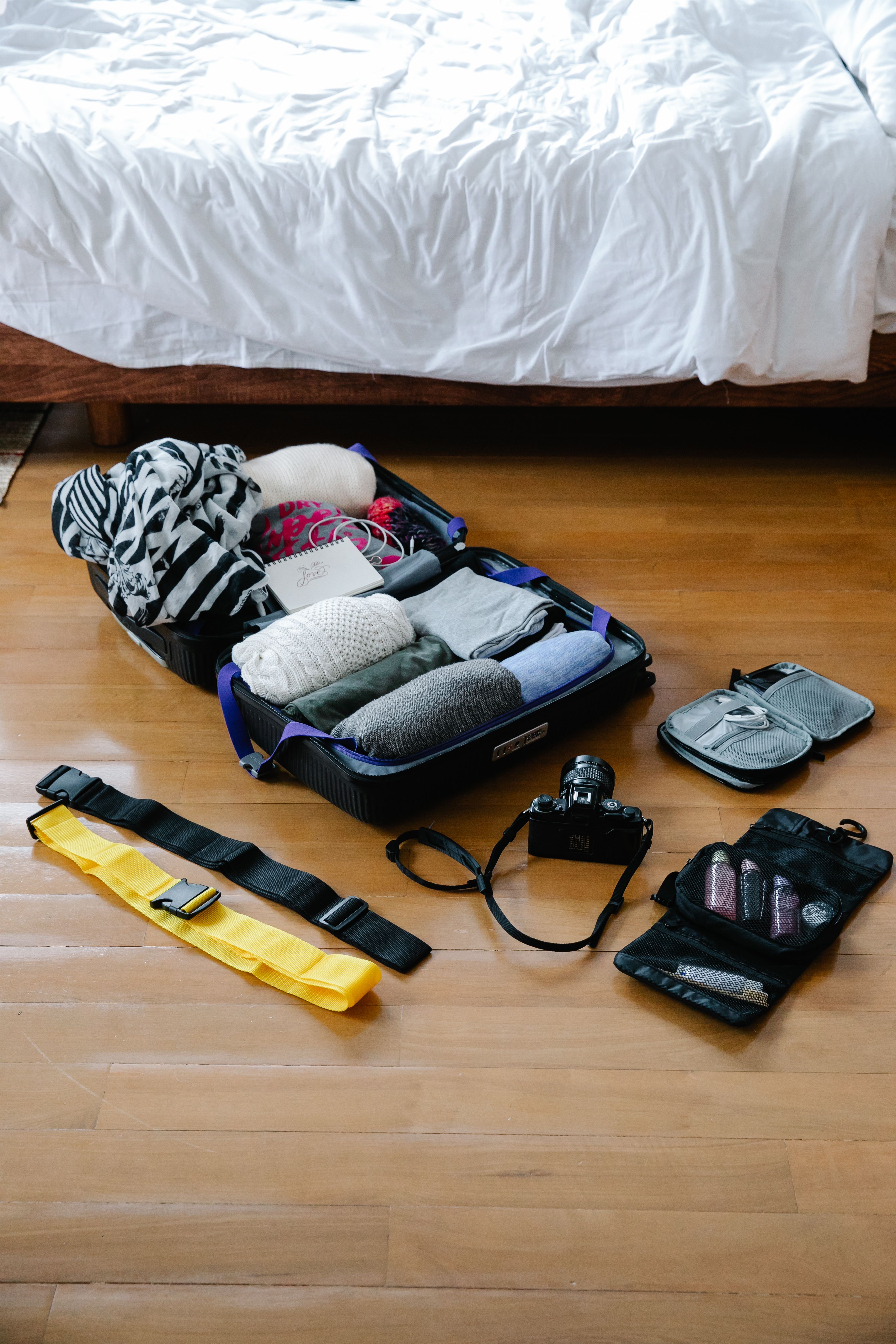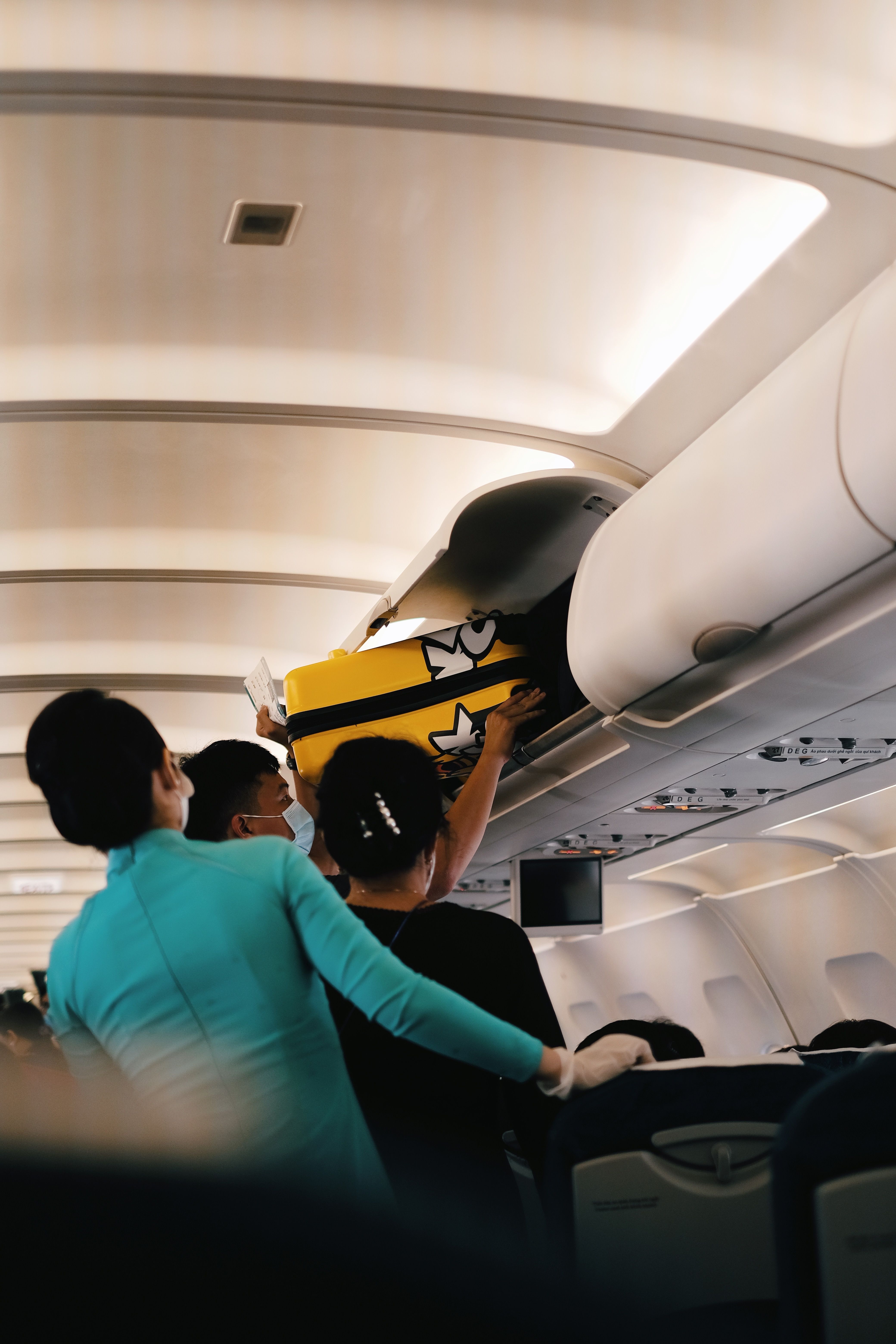
Here's a trap that catches even experienced travelers: there is no universal carry-on size. A bag that boards free on one airline gets gate-checked for a fee on the next. Budget carriers sell you a "carry-on" that turns out to be a small under-seat bag. And weight limits that nobody mentions at booking get enforced at the gate in Asia and the Gulf.
I've pulled together the current carry-on size and weight limits for 25 major airlines below. And if you just want a yes-or-no answer for your specific bag, use my free Carry-On Size Checker - enter your bag's measurements and it checks all 25 airlines at once.
The Short Answer
A bag up to about 55 x 40 x 20 cm (21.5 x 15.5 x 8 inches) fits nearly every full-service airline in the world. Anything bigger and you're gambling - Southwest and Frontier allow noticeably more, while Gulf and Asian carriers combine smaller size limits with strict 7 kg weight caps.[1][2][3][4][5]
Carry-On Size Limits: 25 Airlines Compared
| Airline | Max size (cm) | Weight limit |
|---|---|---|
| American Airlines | 56 x 36 x 23 | - |
| Delta Air Lines | 56 x 35 x 23 | - |
| United Airlines | 56 x 35 x 23 | - |
| Southwest Airlines | 61 x 41 x 25 | - |
| Alaska Airlines | 56 x 36 x 23 | - |
| JetBlue | 56 x 36 x 23 | - |
| Frontier Airlines | 61 x 41 x 25 | 16 kg |
| Ryanair | 55 x 40 x 20 | 10 kg |
| easyJet | 56 x 45 x 25 | 15 kg |
| Wizz Air | 55 x 40 x 23 | 10 kg |
| British Airways | 56 x 45 x 25 | - |
| Lufthansa | 55 x 40 x 23 | 8 kg |
| KLM | 55 x 35 x 25 | 12 kg |
| Air France | 55 x 35 x 25 | 12 kg |
| Turkish Airlines | 55 x 40 x 23 | 8 kg |
| Iberia | 56 x 40 x 25 | 10 kg |
| Aer Lingus | 55 x 40 x 24 | 10 kg |
| Emirates | 55 x 38 x 22 | 7 kg |
| Qatar Airways | 50 x 37 x 25 | 7 kg |
| Etihad Airways | 56 x 36 x 23 | 7 kg |
| Air Canada | 55 x 40 x 23 | - |
| Cathay Pacific | 56 x 36 x 23 | 7 kg |
| AirAsia | 56 x 36 x 23 | 7 kg |
| ANA | 55 x 40 x 25 | 10 kg |
| Japan Airlines | 55 x 40 x 25 | 10 kg |
The 5 Traps That Get Bags Gate-Checked
1. Budget fares only include an under-seat bag
On Ryanair, easyJet, Wizz Air and similar carriers, the cheapest fare includes only a small bag that fits under the seat (Ryanair's free bag is just 40 x 20 x 25 cm). The overhead-bin "large cabin bag" costs extra - sometimes more than your flight if you pay at the gate instead of at booking.[4]
2. Wheels and handles count
Airlines measure the bag at its largest points - wheels, handles, and outer pockets included. A "55 cm" suitcase with wheels and a handle can measure 58 cm in the sizer. Measure your bag the same way the gate agent will.
3. Weight limits bite in Asia and the Gulf
US carriers rarely weigh cabin bags. Emirates, Qatar, Etihad, Cathay Pacific and AirAsia commonly cap carry-ons at 7 kg - and do weigh them. A packed 8 kg bag plus a laptop can end up checked, with your valuables in the hold.[3][5]
4. Connecting flights follow the strictest airline
Booked a US domestic leg and an international leg on one ticket? Your bag needs to satisfy the strictest carrier on the itinerary, not the first one.
5. Codeshares follow the operating airline
The airline that sold the ticket and the airline flying the plane can have different rules. The operating carrier's limit applies.
How to Measure Your Bag Correctly
- Measure height, width, and depth at the largest points - wheels, handles, and expanded outer pockets included.
- Weigh the bag packed, not empty.
- Soft-shell bags can usually squeeze a centimeter or two in a sizer; hard shells cannot.
- Then check your numbers against your airline - the Carry-On Size Checker does all 25 airlines in one go.
The One-Bag Sweet Spot
If you're buying a bag for maximum compatibility:
- Size: 55 x 40 x 20 cm or smaller fits nearly every full-service airline.
- Weight: aim for a bag that's under 2.5 kg empty, so you stay under 7 kg packed.
- Style: soft shell, squarish shape, no bulging exterior pockets.
- Backup: a packable daypack that fits under the seat keeps essentials with you if the main bag gets gate-checked.
FAQ: Carry-On Rules
What is the standard carry-on size for international flights? There's no single standard, but 55 x 40 x 20 cm fits almost everywhere. The most common full-service limit is around 56 x 36 x 23 cm.[1][2]
Is a backpack considered a carry-on? Yes - any bag you bring into the cabin counts, and its measurements count too. A large hiking backpack often exceeds carry-on dimensions.
Do airlines actually weigh carry-on bags? US airlines almost never do. Gulf and Asian carriers with 7 kg limits frequently do, especially on full flights.[3][5]
What happens if my carry-on is too big? It gets gate-checked - sometimes free on full-service airlines, often for a steep fee on budget carriers. Either way, your bag goes in the hold, so never pack valuables, medication, or electronics you can't lose in a bag that might get taken.
Can I bring a carry-on and a personal item? Usually yes on full-service airlines: one cabin bag plus a small personal item (laptop bag, purse, small backpack) that fits under the seat. Budget fares often include only the personal item.[4]
The Bottom Line
Check your airline before you pack, measure your bag with wheels and handles, and weigh it packed. The Carry-On Size Checker gives you a yes-or-no for 25 airlines in seconds.
Once your bag is sorted, build the rest of the trip: a packing list that fits in that carry-on, a jet lag plan for long flights, and the flight booking sites I actually use.